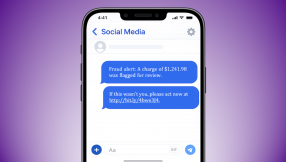
Washington, D.C. — The U.S. Attorney for the District of Columbia launched a Scam Center Strike Force today to aggressively crack down on crypto-facilitated fraud and scams originating from Southeast Asia. The task force aims to protect American consumers by deploying the collective resources of the U.S. Departments of the Treasury, Justice and State, as well as U.S. federal law enforcement, to eradicate transnational facilities and services used to exploit unsuspecting victims.
Heather Hogsett, BPI Executive Vice President and Head of BITS, issued a statement:
“We strongly support the launch of the Scam Center Strike Force and stand ready to support this vital effort. American consumers are under attack from sophisticated criminal networks and hostile nation-states to the tune of over $12 billion per year – a sum that’s likely underreported. Confronting this threat requires the full force of both industry and government, and today’s announcement marks a significant step forward in that fight.”
About one in five Americans has lost money to an online scam or attack, according to the Aspen Institute. These incidents contributed to $12.5 billion in reported consumer losses in 2024, per the FTC, a 25% annual increase from the previous year. Sophisticated criminal networks and nation-state actors originate most of these activities, running their illicit operations out of Southeast Asia to evade detection and industrialize illicit activities. The Scam Center Strike Force will partner with the host countries to identify criminal networks, seize facilities and hold criminal actors accountable.
The Scam Center Strike Force is one of many activities underway to address the surge in fraud and scam activities affecting everyday Americans. The Aspen Institute recently launched a National Strategy to Prevent Scams, reflecting input from over 80 organizations, including banks, technology companies and other affected sectors.
In addition to the Aspen Institute’s efforts, BPI has called on social media and telecommunication companies to take a bigger role in preventing scams on their networks and partnering with banks to combat fraud and scams, given that these activities originate on these platforms. For example, one recent Reuters report found that one-third of all successful U.S. scams involve Meta and about 10% of Meta’s 2024 revenue came from ads for scams and banned goods.
BPI’s Recommendations:
- Social media platforms should verify advertisers to stop scams before they originate and quickly take them down once fraud is reported.
- The FCC and FTC should require telecom, social media and messaging app companies to monitor their networks and proactively notify victims.
- Banks should be given a safe harbor to intervene when necessary to protect customers.
- Congress and regulators should encourage and empower telecom providers, social media, messaging platforms and financial institutions to share data and information related to fraud and scams by creating a safe harbor to mitigate legal uncertainty about liability and antitrust concerns.
- The U.S. government should establish a National Anti-Scam Strategy to prioritize prevention strategies and align accountability.
To learn more, please click here.
###
About Bank Policy Institute.
The Bank Policy Institute is a nonpartisan public policy, research and advocacy group that represents universal banks, regional banks and the major foreign banks doing business in the United States. The Institute produces academic research and analysis on regulatory and monetary policy topics, analyzes and comments on proposed regulations, and represents the financial services industry with respect to cybersecurity, fraud, and other information security issues.
Media Contacts
- Austin Anton, Bank Policy Institute, austin.anton@bpi.com